

Warm Welcomes
Strategic Thinking for Designers was created to help practitioners move beyond surface-level solutions and develop the confidence to make informed, intentional decisions. Over two days, participants practiced reviewing and understanding data, working with real constraints, and applying strategy in ways that translate directly to their day-to-day work.
What is Strategy?
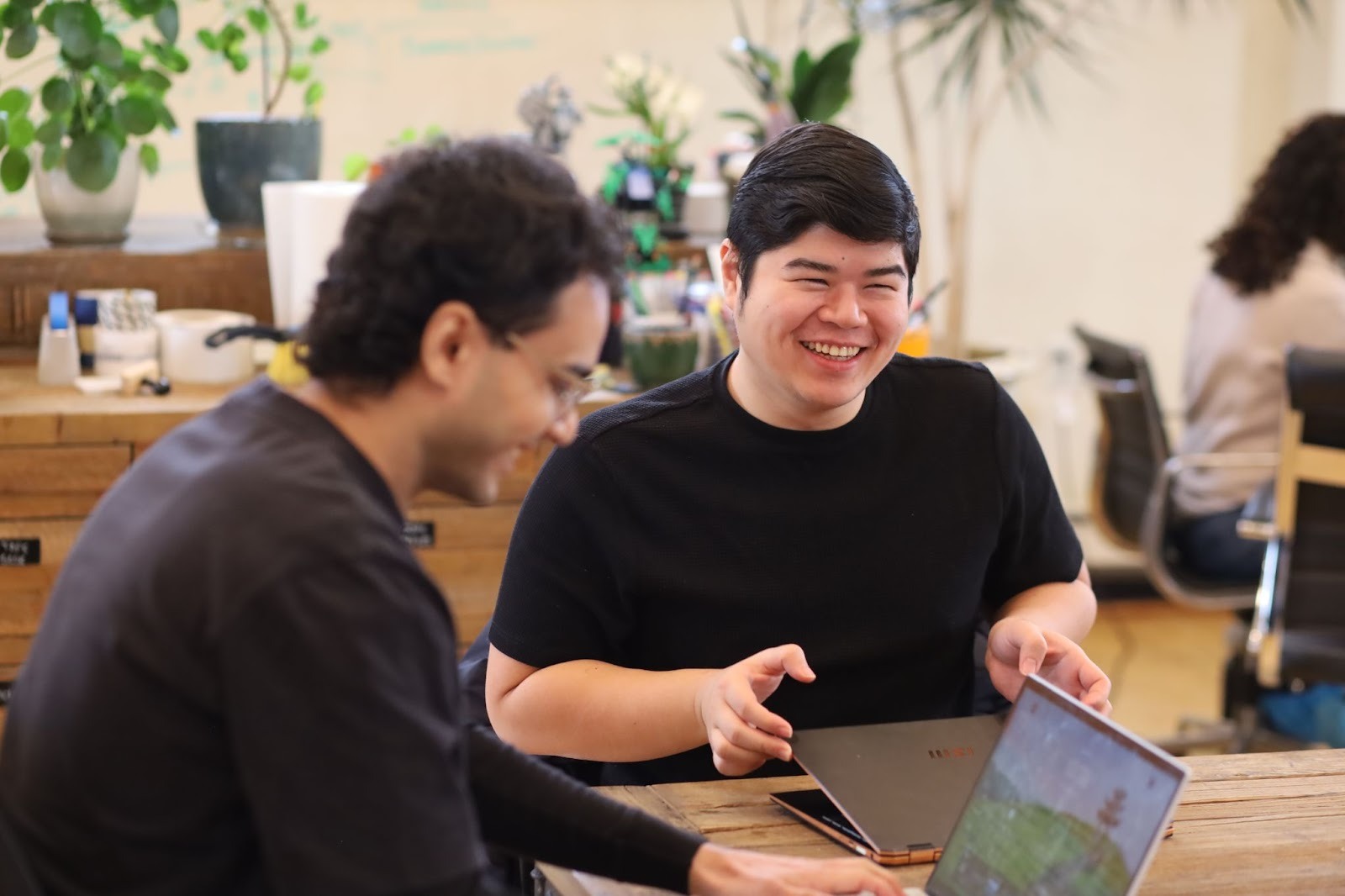
Strategic UX work starts by understanding problems from two angles: what the business needs (metrics, scale, impact on revenue) and what users experience (their feelings, behaviors, and pain points). We learned that effective discovery isn't about doing every possible research method—it's about choosing the right tools that create artifacts you'll actually use again. The key is balancing hard data (analytics showing what's happening at scale) with human insights (interviews revealing why it matters). Between our two sessions, teams applied these frameworks to real projects, and we had the opportunity to see 5 different strategic approaches shared by participants—each revealing unique problem-solving perspectives.
Real-World Application
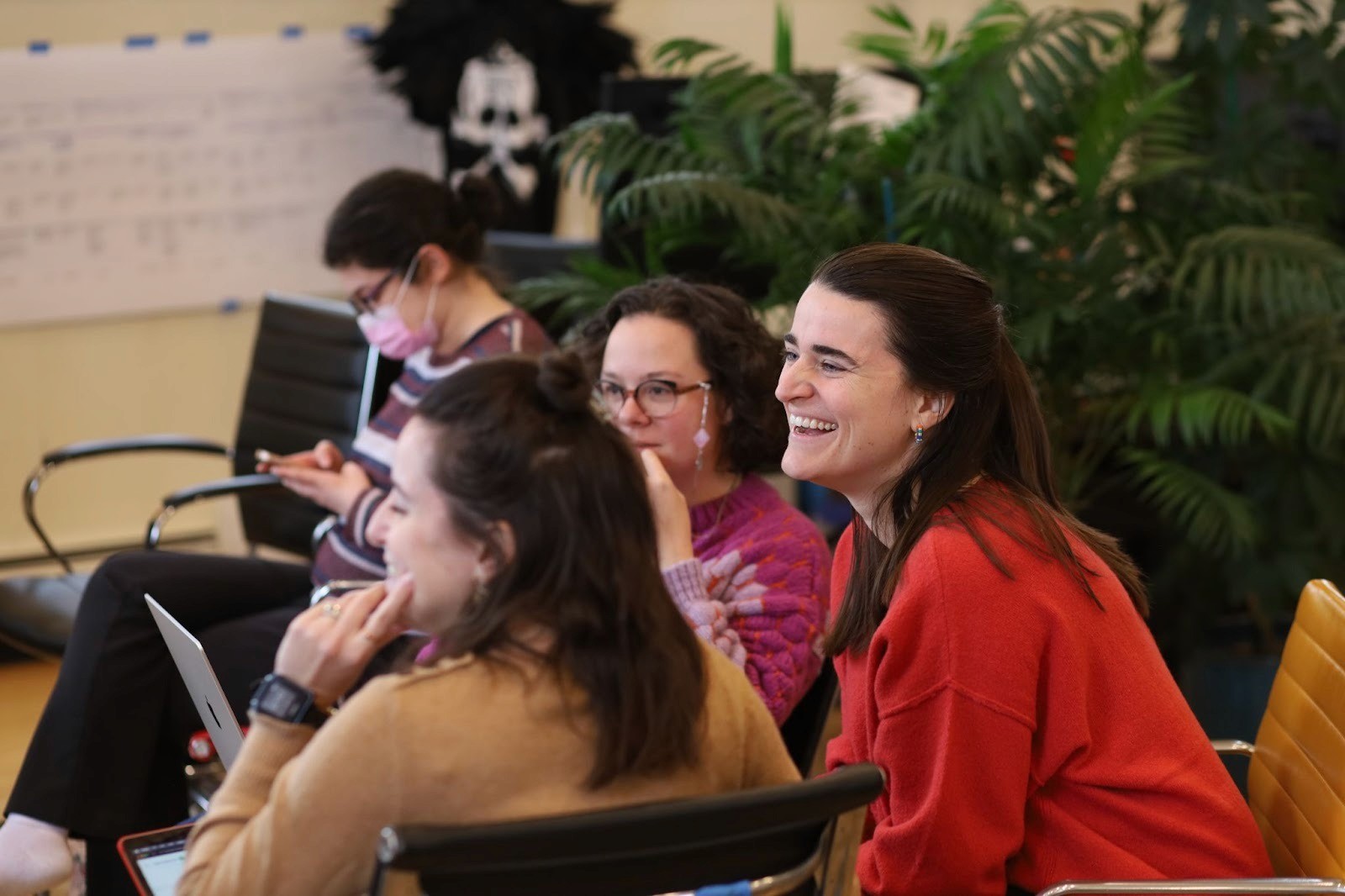
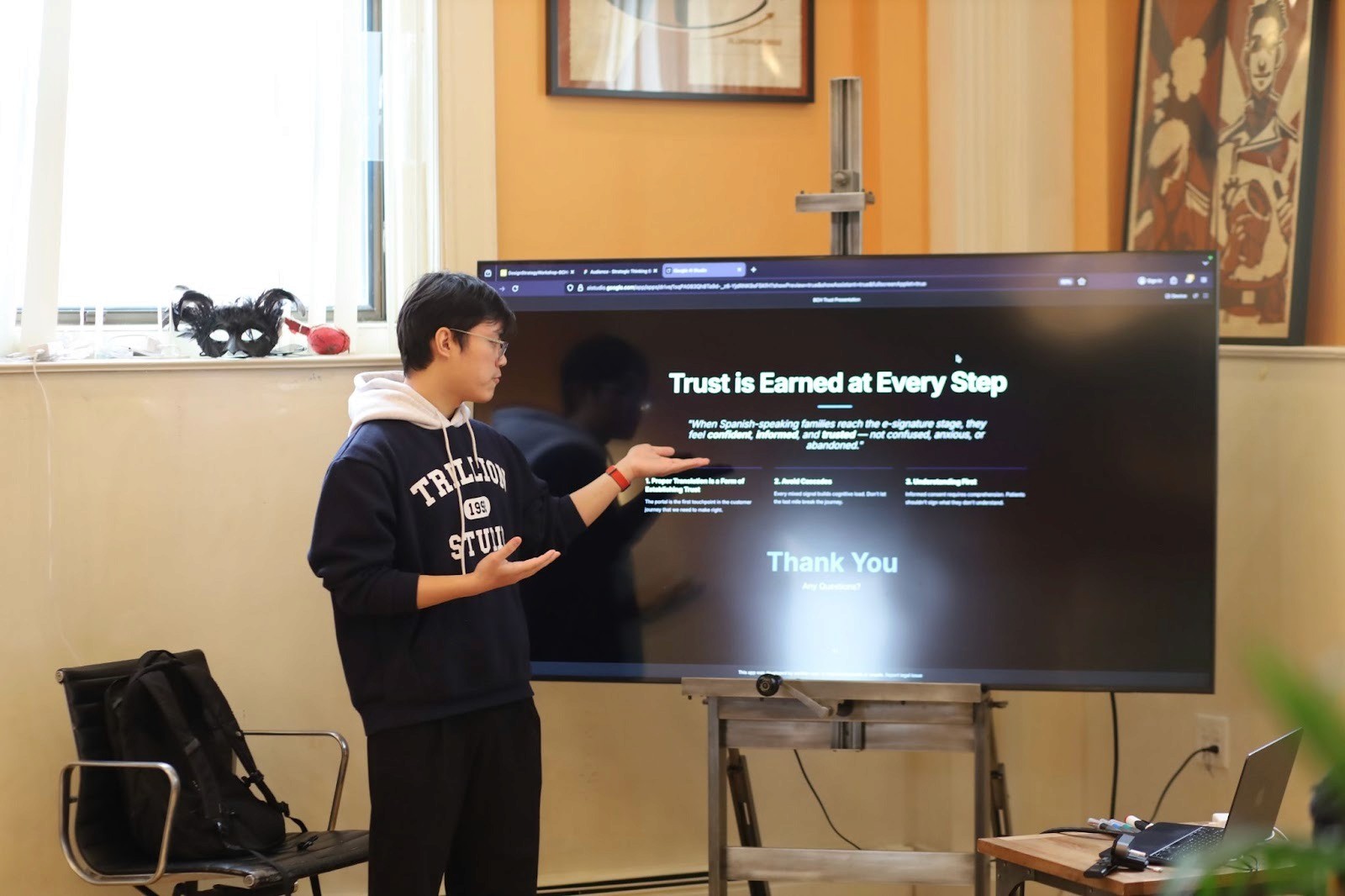
We examined a Boston Children’s Hospital case study involving a healthcare patient portal where Spanish-speaking families had much lower completion rates than English speakers. Through the workshop exercises, participants discovered how to identify root causes by combining different data sources from analytics patterns to direct user feedback. The breakthrough insight?
Sometimes the problem isn't what you initially think. We learned to dig deeper than surface symptoms and found that poor translation quality was creating confusion and distrust, leading users to abandon the process entirely. Watching teams work through their own projects between sessions showed how these same strategic thinking principles apply across completely different contexts and challenges. At the end of day two, participants were trained to use the Optimal research platform, which they had access to throughout the week to collect and validate their research.
Day One Of The Event
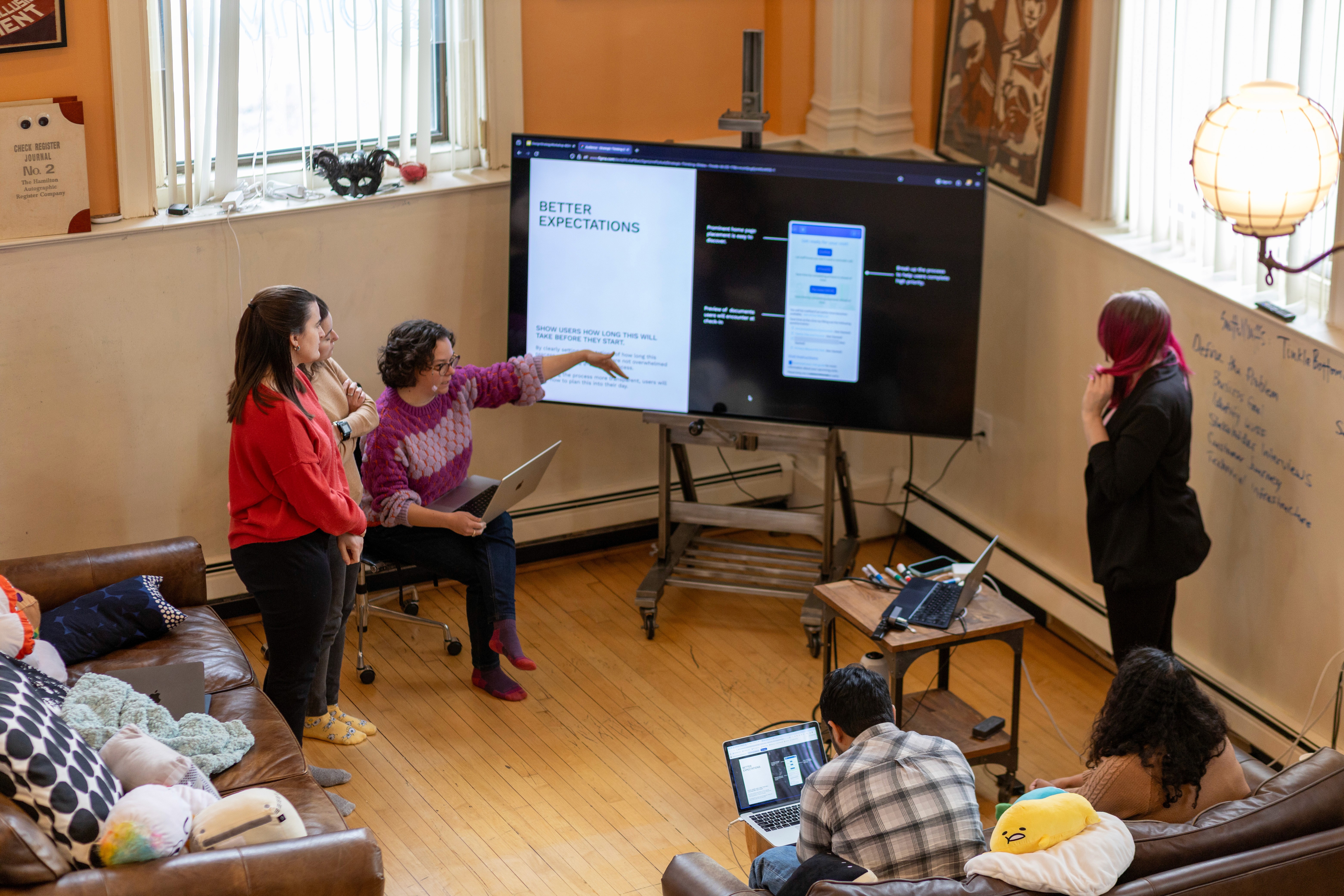
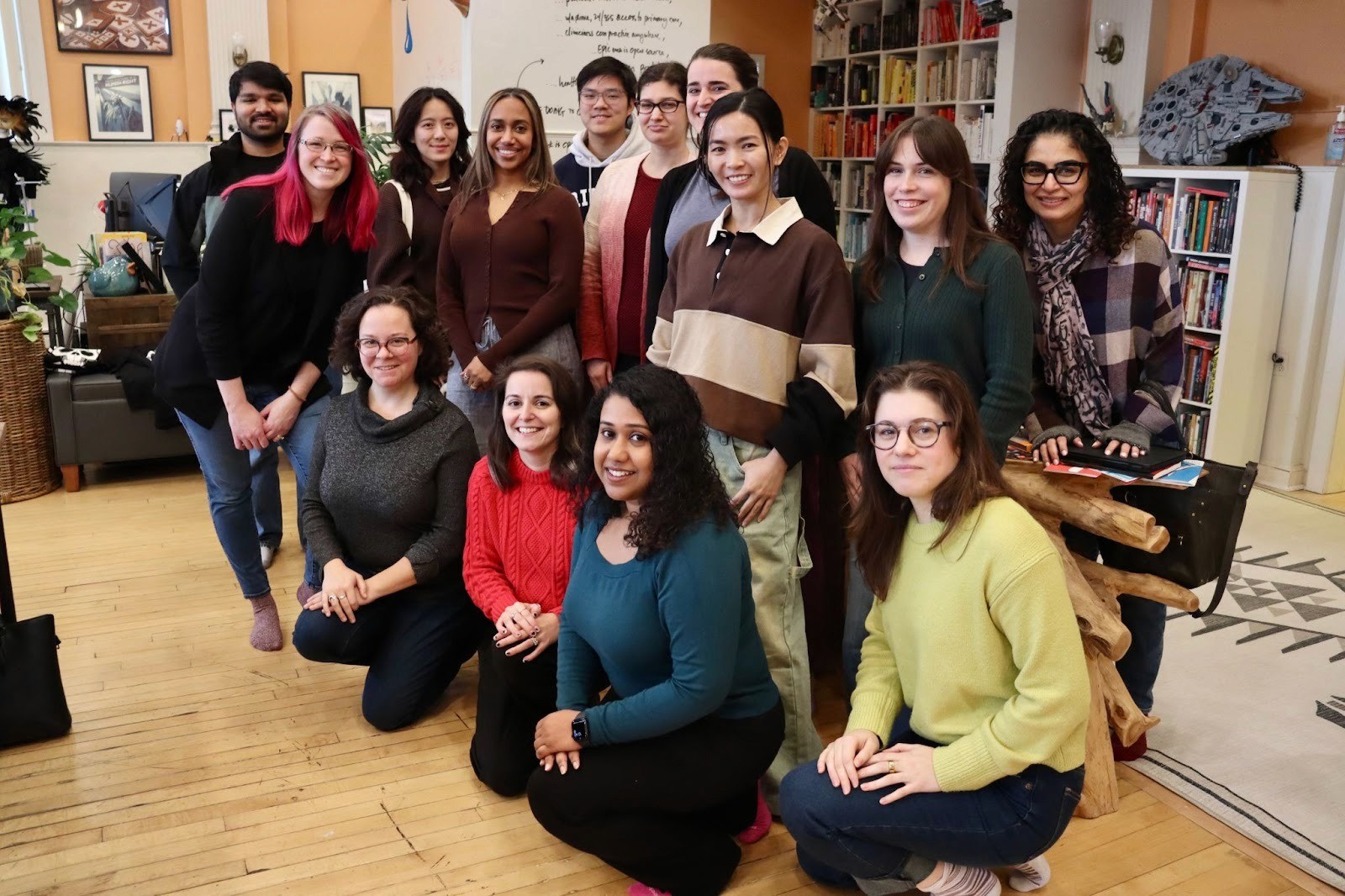
Day one kicked off with some falling snow, hot coffee, and an intentional shift in pace. We began by slowing down to get to know one another, creating space for open conversations about the gaps we see in the product and design community and what it would take to build something stronger together.
Workshop leader Missy then guided participants through a presentation grounded in real data, paired with four hands-on exercises (approximately 10 minutes each). These activities were intentionally designed to mirror real-world constraints – limited time, imperfect information, and evolving problem definitions. Participants broke into small groups to collaborate, learn from one another, and form teams that worked together throughout the day and week.
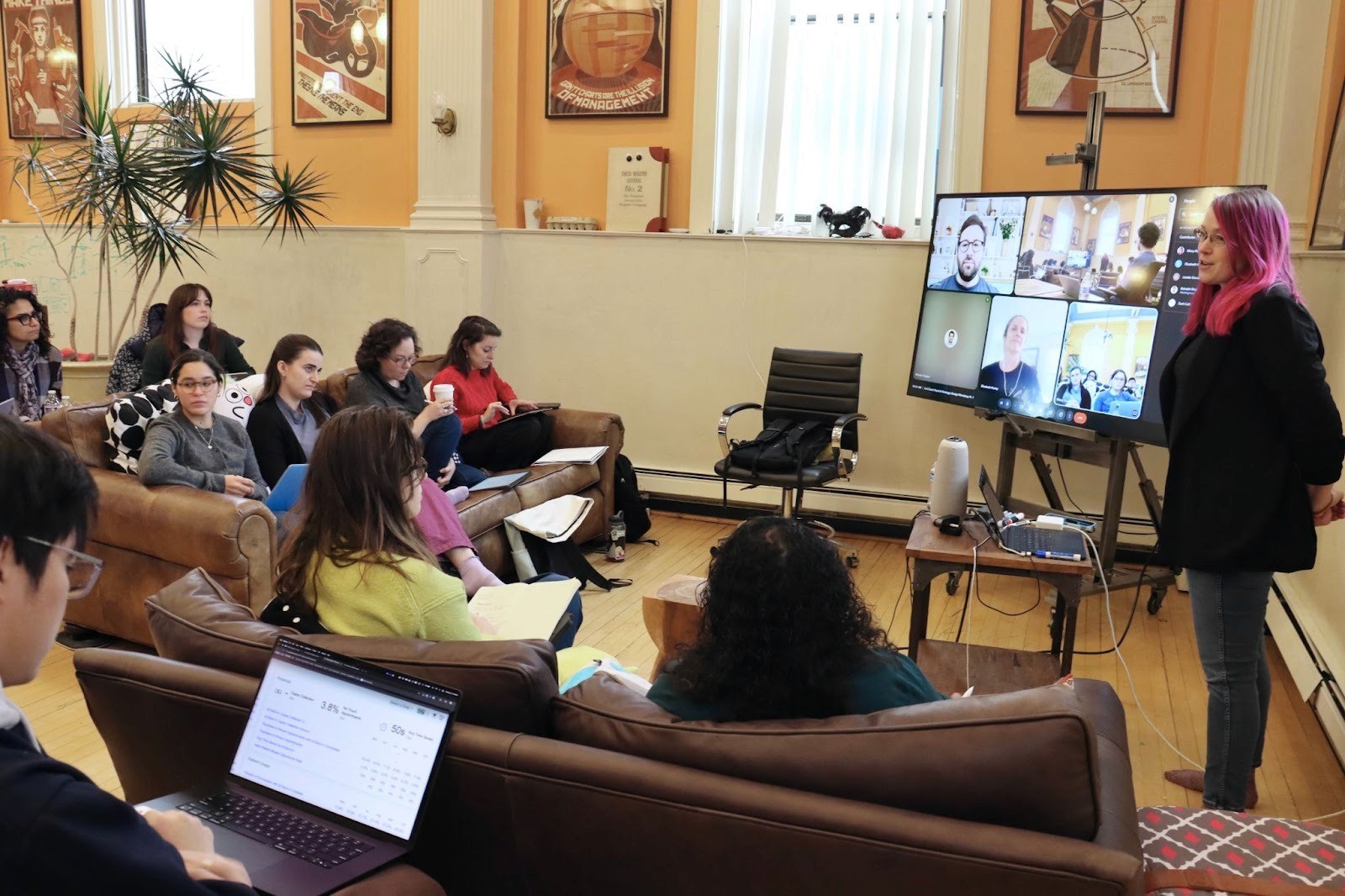
We were joined by our sponsors at Boston Children’s Hospital, giving participants the opportunity to ask candid questions, gain deeper context on the case study, and better understand the real constraints (such as organizational, technical, and even ethical) that shape decision-making in healthcare environments.
Participants were also introduced to Optimal Workshop through a live demo and were set up with their own accounts to use during Day One and throughout the week between sessions. To support continued collaboration, everyone was onboarded to Slack, which became the shared space for exchanging resources, asking follow-up questions, receiving tool support, and preparing for Day Two.
Day Two Of The Event
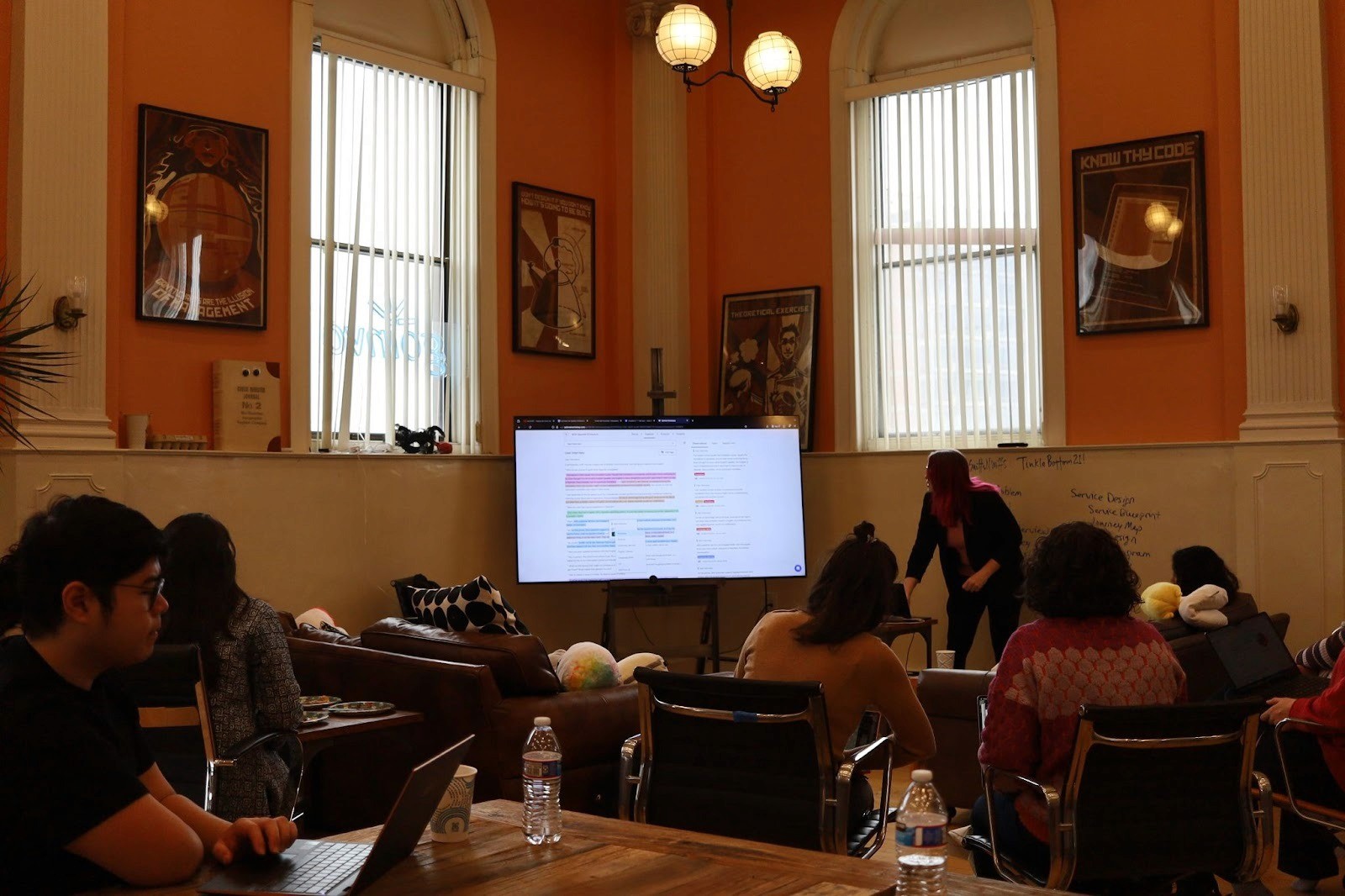
Day two started off fast! Juhan from GoInvo made everyone Crepes and Bacon, and Missy shared her testing results analysis from work done in Optimal with the attendees- showing synthesized results from thematic saturation.
Skills You'll Take With You
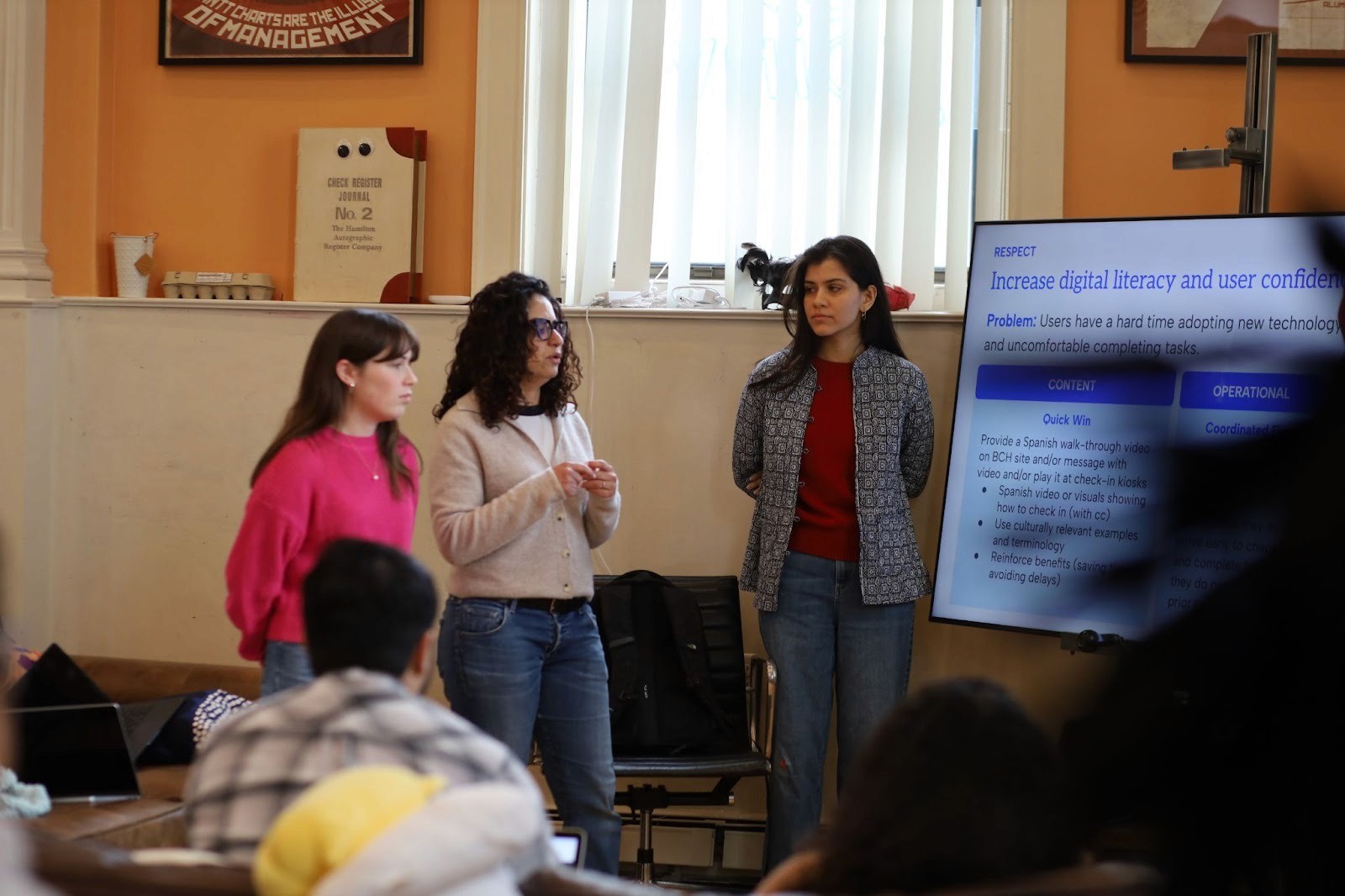
Participants left with practical frameworks for defining user outcomes (not just features), mapping user flows that include real-world context, and crafting content that guides users confidently through each step. We practiced creating research plans that are appropriately scoped—knowing when to use one tool versus ten. The storytelling section taught how to present findings in ways that hook stakeholders emotionally and rationally, using the right emphasis for different types of data. Most importantly, everyone learned to create measurement plans that prove impact—even when you can't directly control the main success metric. The hands-on project work between sessions gave participants real experience translating theory into practice, and the 5 shared presentations with stakeholders from Boston Children's Hospital demonstrated how diverse strategic approaches can be while following the same core methodology.
The event ended with a raffle thanks to Uxcel, where we gave away one-year memberships to their pro platform!
And a big thanks to all of our sponsors, Boston Childrens Hospital, Optimal, Uxcel, and GoInvo for making this event a success, and an extra big thanks to Missy Roode for all the great lessons learned!